
jummah khutbah in english and arabic pdf
Jumuah Khutbah in English and Arabic: A Comprehensive Guide
Jumuah Khutbahs, available as PDF documents, often present texts in both Arabic and English. These resources cover topics from Islamic guidance to the lives of Prophets.
Collections of sermons delivered in the UK and USA, translated for English-speaking communities, are readily accessible for Imams seeking reliable materials.
Masjid Al Haramain provides access to Khutbahs from Mecca, offering both Arabic originals and English translations, alongside audio recordings for deeper understanding.
Understanding the Significance of Jumuah Khutbah
The Jumuah Khutbah holds immense significance in Islam, serving as a pivotal weekly gathering for Muslims. It’s far more than a simple sermon; it’s a communal obligation, a reminder of faith, and a source of guidance. The availability of Jumuah Khutbahs in both Arabic and English, often in PDF format, dramatically expands access to this vital practice for diverse communities.
Historically, the Khutbah served to educate and unite the Ummah. Today, translated versions ensure that non-Arabic speakers can fully benefit from the wisdom shared. These texts frequently emphasize obedience to Allah and His Messenger Muhammad (peace be upon him), highlighting the path to righteousness and warning against misguidance.
The Khutbah isn’t merely a recitation; it’s a discourse intended to inspire reflection and positive change. PDF resources often include supplications (Duas) and verses from the Quran, reinforcing spiritual connection. Accessing these materials, like those from Masjid Al Haramain, allows for a deeper understanding of Islamic principles and their application to daily life. The Khutbah’s power lies in its ability to connect believers to their faith and to each other, fostering a strong and unified community.
The inclusion of Hadith within the Khutbah further strengthens its authenticity and relevance.
The Historical Roots of the Friday Sermon
The tradition of the Jumuah Khutbah, or Friday sermon, traces its roots back to the time of the Prophet Muhammad (peace be upon him). Following the migration to Medina, the practice of gathering for a sermon before the Jumuah prayer became established as a communal obligation. Early sermons focused on reinforcing faith, providing moral guidance, and addressing the challenges faced by the nascent Muslim community.
Initially delivered entirely in Arabic, the need for translation arose as Islam spread to diverse linguistic regions. Today, the availability of Jumuah Khutbahs in English, often distributed as PDF documents, reflects this historical evolution. These translated texts ensure accessibility for Muslims who are not fluent in Arabic, preserving the essence of the original message.
Throughout Islamic history, the Khutbah has served as a platform for leaders to address their congregations on matters of religious and societal importance. Collections of sermons, like those compiled for use in mosques across the UK and USA, demonstrate the enduring legacy of this practice. The continued provision of Arabic texts alongside English translations, as seen with resources from Masjid Al Haramain, honors this historical continuity and facilitates a deeper understanding of Islamic heritage.
The Khutbah’s historical significance underscores its enduring relevance in contemporary Muslim life.
Essential Components of a Jumuah Khutbah
A traditional Jumuah Khutbah comprises several key elements, meticulously structured to deliver a comprehensive religious discourse. Typically, the sermon begins with praise of Allah (SWT) and remembrance of His attributes, setting a reverent tone. A crucial component involves reciting verses from the Quran in Arabic, often accompanied by an English translation for broader comprehension, frequently found in PDF formats.
Furthermore, the inclusion of at least one Hadith – a saying or action of the Prophet Muhammad (peace be upon him) – is considered essential. Authenticity and relevance are paramount when selecting Hadith, ensuring they align with Islamic teachings. Many Khutbah resources, like those available online, provide both the Arabic text and English explanations.
The sermon also incorporates invoking blessings upon the Prophet Muhammad (peace be upon him), and often addresses contemporary issues relevant to the Muslim community. Jumuah Khutbah guidelines, often available as PDF documents, emphasize the importance of delivering a clear, concise, and impactful message. Resources from places like Masjid Al Haramain exemplify this structure, offering complete sermons in both languages.
These components collectively aim to educate, inspire, and guide the congregation.
Arabic Text and Translation: Importance and Accuracy
The presence of both Arabic text and its English translation in Jumuah Khutbahs is fundamentally important, catering to diverse linguistic backgrounds within the Muslim community. While the original Arabic holds religious significance, accurate translation ensures accessibility and understanding for those less proficient in the language. Many resources offer Khutbahs in PDF format, presenting both versions side-by-side.
Accuracy in translation is paramount; misinterpretations can lead to misunderstandings of Islamic teachings. Qualified translators, well-versed in both languages and Islamic scholarship, are crucial for producing reliable translations. Online repositories and collections from institutions like Masjid Al Haramain often prioritize verified and vetted translations.
The Arabic text serves as the foundational source, while the English translation acts as a bridge, conveying the intended meaning faithfully; PDF documents frequently include transliteration to aid pronunciation for those learning Arabic. Maintaining fidelity to the original Arabic while ensuring clarity in English is the hallmark of a well-prepared Khutbah, fostering a deeper connection to the message.
This dual-language approach strengthens the spiritual benefit for all attendees.

Key Themes Commonly Addressed in Khutbahs
Jumuah Khutbahs, frequently available as PDF documents in both Arabic and English, consistently revolve around core Islamic themes. These often include reminders of Allah’s attributes, emphasizing gratitude and seeking forgiveness. Guidance on moral conduct, encompassing honesty, kindness, and justice, forms a significant portion of many sermons.
Discussions on the importance of family values, respecting parents, and nurturing children are prevalent. Khutbahs also frequently address societal issues, encouraging Muslims to contribute positively to their communities while upholding Islamic principles. The lives of Prophets and their lessons serve as powerful examples for believers.
Reminders about adhering to the teachings of the Quran and the Sunnah (Prophet Muhammad’s traditions) are central. Many Khutbahs incorporate verses from the Quran and authentic Hadith to support their messages. PDF resources often categorize sermons by theme, allowing easy access to relevant content. Supplications (Duas) for well-being, forgiveness, and guidance frequently conclude the sermon, reinforcing the spiritual connection.
These themes aim to strengthen faith and promote righteous living.
The Role of the Quran in the Khutbah
The Quran is foundational to the Jumuah Khutbah, serving as the primary source of guidance and inspiration. PDF versions of Khutbahs, whether in Arabic or English translation, invariably include verses (Ayat) from the Quran to support the sermon’s central message. These verses are carefully selected to resonate with the chosen theme, providing divine authority and context.
Imams often utilize the Quran to establish the importance of faith, morality, and righteous conduct. Verses relating to gratitude, repentance, and social justice are commonly cited. The recitation of Quranic verses in Arabic, followed by their English translation, ensures comprehension for a diverse audience.
Many Khutbah resources emphasize that a sermon must contain at least one verse from the Quran, highlighting its indispensable role. The Quran provides the framework for understanding Islamic principles and applying them to daily life. PDF collections often categorize sermons based on the Quranic verses they utilize, facilitating research and study.
Ultimately, the Quran anchors the Khutbah in divine revelation.
Incorporating Hadith: Authenticity and Relevance
Alongside the Quran, Hadith – the sayings and actions of Prophet Muhammad (peace be upon him) – are crucial in the Jumuah Khutbah. PDF resources dedicated to Khutbahs in both Arabic and English consistently emphasize the inclusion of authentic Hadith to strengthen the sermon’s arguments and provide practical examples.
The authenticity of Hadith is paramount. Imams rely on established collections like Sahih al-Bukhari and Sahih Muslim to ensure the reliability of the narrations used. Khutbah outlines often specify the source of each Hadith, allowing listeners to verify its authenticity independently.
Hadith adds depth and nuance to Quranic teachings, illustrating how to apply Islamic principles in real-life situations. PDF collections frequently categorize sermons by the Hadith they feature, aiding in thematic research. The relevance of the Hadith to the contemporary audience is also vital; sermons should connect the Prophet’s teachings to current challenges.
Properly integrated Hadith enriches the Khutbah and reinforces its message.
Structure of a Typical Jumuah Khutbah
A traditional Jumuah Khutbah, often found in Arabic and English PDF formats, follows a distinct two-part structure. The first Khutbah (sermon) typically begins with praise of Allah (SWT) and a reminder of His blessings. It emphasizes the importance of obedience to Allah and His Messenger, Muhammad (peace be upon him), highlighting the path to guidance and warning against misguidance.
This initial section often includes verses from the Quran and authentic Hadith, establishing a theological foundation for the sermon’s theme. The Imam will then delve into the core message, offering advice, warnings, or explanations of Islamic principles.
The second Khutbah shifts focus to Dua (supplication). It involves earnest prayers to Allah, seeking forgiveness, guidance, and blessings for the Muslim community. PDF resources containing Khutbah texts frequently include specific Duas recommended for Fridays.
This concluding section reinforces the spiritual impact of the sermon, leaving the congregation with a sense of hope and connection to Allah.
The First Khutbah: Praise and Remembrance of Allah

The initial segment of a Jumuah Khutbah, readily available in Arabic and English PDF formats, centers on profound praise (Hamd) and remembrance (Dhikr) of Allah (SWT). This foundational element establishes a reverent atmosphere, acknowledging Allah’s sovereignty and blessings. Imams begin by extolling Allah’s attributes, expressing gratitude for His guidance and provision.
Often, this section incorporates verses from the Quran emphasizing Allah’s majesty and power. The Khutbah will then highlight the importance of recognizing Allah’s presence in all aspects of life, encouraging consistent remembrance through prayer, reflection, and righteous deeds.
A crucial aspect is establishing the link between obedience to Allah and His Messenger, Muhammad (peace be upon him), and attaining success in this life and the hereafter. PDF resources frequently showcase examples of eloquent praise and reminders, serving as models for delivering impactful sermons.
This opening sets the spiritual tone for the entire Khutbah, preparing the congregation to receive guidance.
The Second Khutbah: Dua and Supplication
The concluding portion of the Jumuah Khutbah, often found in Arabic and English PDF collections, is dedicated to Dua – heartfelt supplication to Allah (SWT). This segment transitions from instruction and reminder to direct petition and seeking divine favor. Imams lead the congregation in making specific supplications, covering a wide range of needs and concerns.
PDF resources demonstrate that these supplications frequently encompass requests for forgiveness, guidance, well-being in this life and the hereafter, and protection from hardship. Verses from the Quran and authentic Hadith often underpin these Duas, providing a scriptural basis for the requests.
Common themes include prayers for the Muslim Ummah, peace and stability in the world, and the alleviation of suffering. The Imam may also offer specific Duas relevant to current events or the needs of the local community.
This final Khutbah reinforces the importance of turning to Allah in all circumstances, fostering a sense of hope and reliance on His mercy;
Resources for Finding Arabic and English Khutbah Texts
Numerous online platforms offer Jumuah Khutbah texts in both Arabic and English, frequently available as downloadable PDF files. These resources cater to diverse needs, from Imams preparing sermons to individuals seeking to understand the message of the Friday prayer.
Online repositories compile a vast collection of Khutbahs, categorized by topic and occasion. These often include detailed outlines, Arabic text with transliteration, and accurate English translations. Several websites specialize in Islamic content, providing a dedicated section for Jumuah Khutbahs.
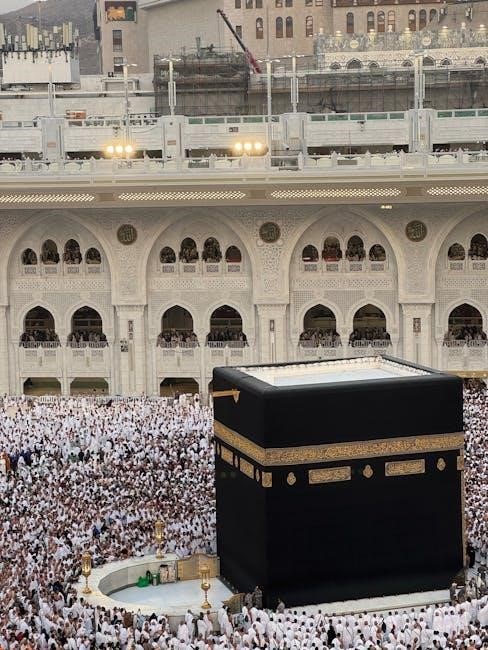
Masjid Al Haramain stands out as a premier source, offering direct access to Khutbahs delivered from the Grand Mosque in Mecca. These are typically accompanied by audio recordings, allowing listeners to follow along with the Arabic and benefit from the Imam’s delivery.
Furthermore, collections of sermons delivered in the UK and USA, specifically translated for English-speaking communities, are readily available, providing culturally relevant and accessible materials.
Online Repositories of Jumuah Khutbahs (PDF Format)
Several dedicated online repositories provide a wealth of Jumuah Khutbahs in PDF format, offering both Arabic text and English translations. These platforms serve as invaluable resources for Imams, scholars, and individuals seeking to deepen their understanding of the Friday sermon.
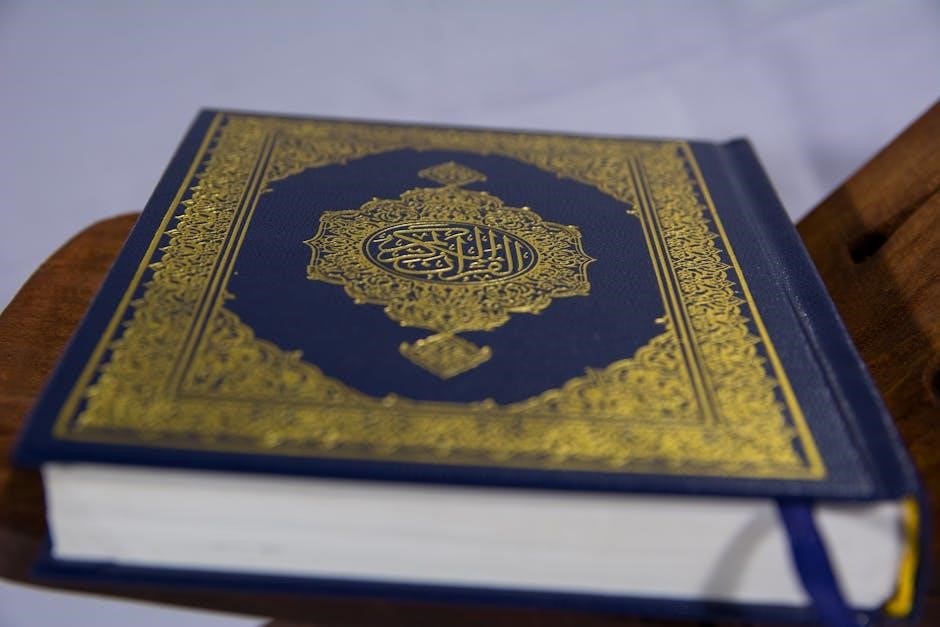
Many websites specialize in Islamic literature and offer categorized collections of Khutbahs, often searchable by topic, occasion, or Imam. These repositories frequently include detailed outlines, transliteration of the Arabic text, and comprehensive English translations, ensuring accessibility for diverse audiences.
The PDF format allows for easy download, printing, and archiving of sermons. Some repositories also offer supplementary materials, such as notes on pronunciation, relevant Hadith, and contextual explanations. These resources aim to assist in delivering impactful and informed Khutbahs.
Furthermore, some collections feature sermons delivered by renowned scholars, providing examples of eloquent and insightful presentations. Accessing these resources streamlines sermon preparation and promotes consistent, high-quality delivery.
Masjid Al Haramain: Accessing Khutbahs from Mecca
Masjid Al Haramain, one of Islam’s holiest sites, provides direct access to Jumuah Khutbahs delivered from Mecca, offering a unique opportunity to connect with the spiritual heart of Islam. These sermons are frequently available in both the original Arabic and accurate English translations, often in PDF format for convenient access.
The Islamic Bulletin, among other platforms, facilitates access to these Khutbahs, often including accompanying audio recordings. This allows listeners to not only read the text but also hear the sermon as delivered by the Imam, enhancing comprehension and appreciation.
Accessing Khutbahs from Masjid Al Haramain provides a valuable resource for Imams seeking inspiration and authentic content. The sermons often reflect contemporary issues alongside timeless Islamic principles, offering relevant guidance for diverse communities.
The availability of both Arabic and English versions ensures inclusivity, allowing a wider audience to benefit from the wisdom shared during these important Friday sermons. Utilizing these resources strengthens the connection to the global Muslim community.

Guidelines for Delivering an Effective Khutbah
Delivering a powerful Jumuah Khutbah, whether in Arabic or English (and often available as a PDF for preparation), requires careful consideration of several key elements. Clarity and conciseness are paramount; the message must be easily understood by all listeners, avoiding complex jargon or overly lengthy discourse.
Audience engagement is crucial. Imams should strive to connect with the congregation through relatable examples, compelling narratives, and a sincere delivery. A well-structured Khutbah, often following a traditional format, aids in maintaining focus and impact.
For those incorporating Arabic, proper pronunciation is non-negotiable. Mispronunciation can alter the meaning of verses or Hadith, potentially leading to misunderstandings. Utilizing reliable resources and seeking guidance from knowledgeable scholars is highly recommended.
Remember that the Khutbah is a sacred trust. It should inspire reflection, encourage righteous action, and strengthen the community’s connection with Allah. Preparation, sincerity, and a commitment to delivering a meaningful message are essential.

Clarity, Conciseness, and Audience Engagement
When preparing a Jumuah Khutbah – often found as a PDF resource in both Arabic and English – prioritizing clarity is essential. The message must resonate with a diverse audience, demanding simple language and avoiding complex theological debates that may cause confusion.
Conciseness is equally vital. A lengthy sermon can lose the congregation’s attention. Focus on a central theme, delivering it with precision and avoiding unnecessary tangents. Respecting the time of worshippers demonstrates consideration and enhances receptiveness.

Audience engagement transforms a lecture into a meaningful experience. Relatable stories, current events connected to Islamic principles, and rhetorical questions can draw listeners in. A sincere and passionate delivery further amplifies the impact.
Utilizing PDF resources allows for careful planning and rehearsal, ensuring a polished presentation. Remember, the goal is to inspire reflection and encourage positive change within the community, fostering a stronger connection with faith.
The Importance of Proper Arabic Pronunciation
For a Jumuah Khutbah, particularly when incorporating Arabic verses and Hadith – often available in PDF format with translations – accurate pronunciation is paramount. Mispronunciation can alter the meaning of sacred texts, leading to misunderstandings and potentially distorting religious teachings.
The Arabic language possesses sounds not found in English, requiring dedicated practice and, ideally, guidance from a knowledgeable teacher. Utilizing audio resources alongside PDF texts can significantly aid in mastering correct pronunciation.
Beyond conveying accurate meaning, proper articulation demonstrates respect for the Quran and Sunnah. It reflects a commitment to upholding the integrity of the message and serves as a positive example for the congregation.
Even when delivering a sermon primarily in English, correctly reciting Arabic phrases enhances the spiritual impact. Resources like those from Masjid Al Haramain, offering audio alongside PDF transcripts, can be invaluable for honing these skills.