
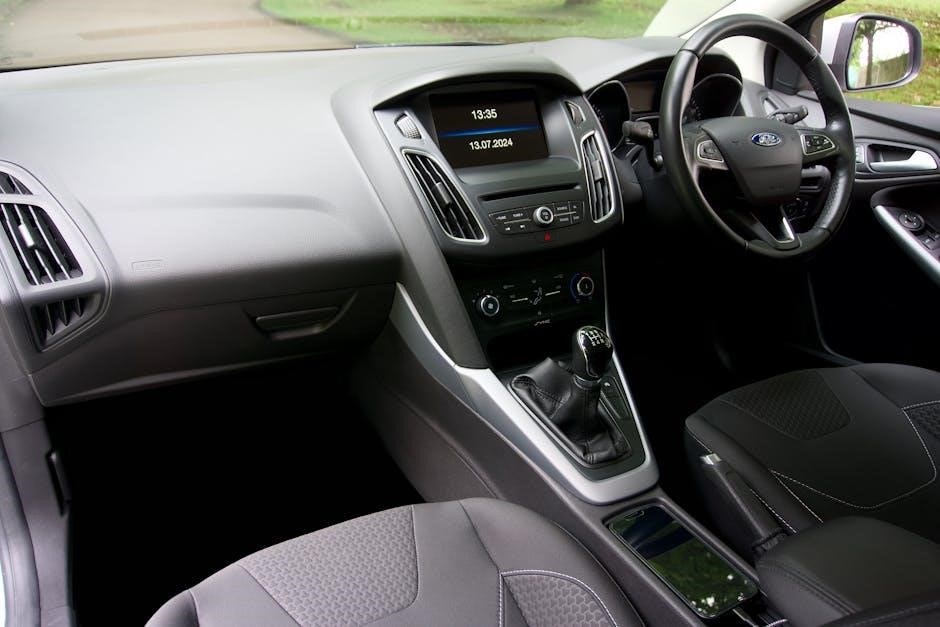
2017 ford escape titanium owners manual
The 2017 Ford Escape Titanium owners manual is a vital resource, offering comprehensive guidance for optimal vehicle operation and long-term reliability․
This detailed document, spanning 486 pages and 155․1MB in size, provides essential information regarding your vehicle’s features, maintenance, and safety protocols․
Accessing the manual – available for free download as a PDF – ensures you’re well-equipped to understand and enjoy all that the Escape Titanium has to offer․
Overview of the Titanium Trim
The 2017 Ford Escape Titanium represents the pinnacle of luxury and technology within the Escape lineup․ This top-tier trim level distinguishes itself through a wealth of standard features designed to elevate the driving experience․ Owners will find detailed explanations of these features within the comprehensive 486-page owners manual․
Key distinctions of the Titanium trim include premium leather upholstery, a sophisticated infotainment system – SYNC 3 – and often, advanced driver-assistance technologies like Ford Co-Pilot360 (depending on specific packages)․ The manual provides specific instructions on utilizing these systems effectively․
Furthermore, the Titanium boasts enhanced exterior styling cues, such as unique alloy wheel designs and chrome accents․ Understanding the specific components and maintenance requirements for these features is crucial, and the owners manual serves as an invaluable guide․ It’s a 155․1MB resource dedicated to maximizing your Titanium’s potential․
Importance of the Owner’s Manual
The 2017 Ford Escape Titanium owners manual is far more than just a collection of pages; it’s your definitive guide to understanding and maintaining your vehicle․ This 486-page document, weighing in at 155․1MB, unlocks the full potential of your Escape Titanium, ensuring a safe and enjoyable ownership experience․
It details everything from basic operation – starting the engine, understanding dashboard symbols – to complex systems like SYNC 3 and the available Ford Co-Pilot360 suite․ Ignoring the manual can lead to improper use of features, potentially compromising safety or vehicle performance․
Regularly consulting the manual for maintenance schedules, fluid check procedures, and troubleshooting common issues can prevent costly repairs and extend the life of your vehicle․ Download the PDF for convenient access and become a confident, informed Escape Titanium owner․

Understanding Your Vehicle
The 2017 Ford Escape Titanium owners manual details crucial aspects like the Vehicle Identification Number (VIN) location, keyless entry, and interpreting dashboard indicators for informed operation․
Vehicle Identification Number (VIN) Location
Locating your 2017 Ford Escape Titanium’s Vehicle Identification Number (VIN) is straightforward and crucial for various reasons, including warranty claims, vehicle history reports, and potential theft recovery․ The owners manual confirms multiple locations for this unique 17-digit code․
Firstly, you’ll find the VIN stamped on a metal plate affixed to the driver’s side dashboard․ This is visible through the windshield on the lower left-hand corner․ Secondly, the VIN is also located on the driver’s side doorjamb, specifically on the door edge label․
Additionally, the VIN is included on your vehicle’s registration and insurance documents․ Knowing its location ensures easy access when needed for service appointments, parts ordering, or any official inquiries regarding your Escape Titanium․ Always refer to your specific manual for precise details․
Keyless Entry and Remote Start System
The 2017 Ford Escape Titanium offers convenient keyless entry and a remote start system, enhancing both security and comfort․ Your owner’s manual details the operation of these features, ensuring optimal use․ The keyless entry system allows you to unlock the doors and start the engine without physically inserting the key, as long as the key fob is within range․
To utilize the remote start, press the corresponding button on the key fob․ This pre-conditions the vehicle’s cabin, offering a comfortable temperature before you enter․ The manual outlines specific conditions required for remote start functionality, such as the parking brake being engaged․
Programming additional key fobs or addressing any system malfunctions is also covered within the manual, providing a comprehensive guide to maintaining these valuable features․
Understanding Dashboard Symbols and Indicators
The 2017 Ford Escape Titanium’s dashboard features a variety of symbols and indicators, each communicating crucial information about your vehicle’s status․ Your owner’s manual serves as a vital key to deciphering these visual cues, ensuring safe and informed driving․ These indicators range from basic warnings – like low fuel or a seatbelt reminder – to more complex system alerts․
The manual provides detailed explanations for each symbol, categorizing them by severity: warnings, cautions, and informational indicators․ Understanding the difference is critical for responding appropriately to potential issues․ For example, a flashing check engine light requires immediate attention, while a tire pressure warning allows time to address the issue․
Familiarizing yourself with these symbols proactively enhances your awareness and contributes to a safer driving experience․

Operating Your 2017 Ford Escape Titanium
The 2017 Ford Escape Titanium owners manual details essential operating procedures, from starting and stopping the engine to utilizing driving modes and the automatic transmission effectively․
Starting and Stopping the Engine
Starting your 2017 Ford Escape Titanium is generally straightforward, but the owner’s manual provides crucial details for various conditions․ Ensure the vehicle is in Park (P) or Neutral (N), and your foot is firmly on the brake pedal․
Press the start/stop button; the engine will ignite․ If the engine doesn’t start, consult the manual for troubleshooting steps, potentially involving checking the battery or fuel system․
To stop the engine, simply press the start/stop button again while the vehicle is in Park (P)․ The ignition will switch off, and the engine will cease operation․
The manual also outlines procedures for emergency starting, should the key fob be unavailable, and details regarding the automatic stop/start feature, if equipped, which enhances fuel efficiency by temporarily shutting off the engine during stops․ Always refer to the manual for specific instructions and safety precautions․
Driving Modes (Selectable Drive Modes)
The 2017 Ford Escape Titanium may be equipped with Selectable Drive Modes, enhancing driving experience and control in various conditions․ The owner’s manual details how to access and utilize these modes․
Typically, these modes include Normal, Sport, and Snow/Ice․ Normal mode is for everyday driving, balancing fuel efficiency and performance․ Sport mode sharpens throttle response and steering for a more engaging drive․
Snow/Ice mode optimizes traction control for slippery surfaces, providing increased stability․ The manual explains how to cycle through these modes using a dedicated control, usually located on the center console․
Understanding each mode’s function and limitations, as outlined in the manual, is crucial for safe and optimal vehicle operation․ It also details any specific considerations for each mode, ensuring drivers are fully informed․
Using the Automatic Transmission
The 2017 Ford Escape Titanium features an automatic transmission designed for smooth and efficient operation․ The owner’s manual provides detailed instructions on its use, covering gear selection and driving techniques․
The gear selector typically includes positions for Park (P), Reverse (R), Neutral (N), Drive (D), and potentially a manual shift mode (M)․ The manual clarifies the function of each position and emphasizes the importance of selecting the correct gear for the driving situation․
It also explains the operation of any manual shift functionality, allowing drivers to exert more control over gear changes․ Proper usage of the transmission, as described in the manual, contributes to optimal fuel economy and vehicle longevity․
Furthermore, the manual details any specific transmission features or warnings, ensuring drivers understand how to operate the system safely and effectively․

Features and Technology
The 2017 Ford Escape Titanium’s manual details advanced technologies like SYNC 3, navigation, and audio systems, enhancing the driving experience with connectivity and convenience․
SYNC 3 Infotainment System
The 2017 Ford Escape Titanium’s SYNC 3 infotainment system is a central hub for connectivity and control, thoroughly explained within the owner’s manual․ This system allows for smartphone integration via Apple CarPlay and Android Auto, enabling access to navigation, music, and communication features directly through the vehicle’s touchscreen․
The manual provides detailed instructions on navigating the SYNC 3 interface, including voice command functionality for hands-free operation․ Users will find guidance on pairing devices, customizing settings, and utilizing the system’s various applications․ Troubleshooting tips are also included to address common issues, such as connectivity problems or software glitches․
Furthermore, the manual clarifies how to update the SYNC 3 software to ensure optimal performance and access to the latest features․ Understanding SYNC 3’s capabilities, as outlined in the manual, significantly enhances the overall driving experience and maximizes the vehicle’s technological advantages․
Navigation System Operation
The 2017 Ford Escape Titanium’s navigation system, detailed in the owner’s manual, offers turn-by-turn directions and points of interest to enhance your journey․ The manual provides step-by-step instructions on entering destinations, utilizing the map view, and customizing navigation settings․ It explains how to search for addresses, intersections, or specific businesses, ensuring accurate route guidance․
Users will learn about features like real-time traffic updates, which help avoid congestion, and alternative route suggestions․ The manual also covers map display options, including 2D and 3D views, and how to adjust the volume of voice prompts․ Troubleshooting sections address potential issues, such as GPS signal loss or incorrect map data․
Understanding the navigation system’s functionalities, as described in the manual, allows drivers to confidently navigate unfamiliar areas and reach their destinations efficiently and safely․
Audio System Controls and Settings
The 2017 Ford Escape Titanium’s audio system, comprehensively covered in the owner’s manual, provides a range of entertainment options․ The manual details the location and function of all controls, including the volume knob, tuning buttons, and source selection options (AM/FM, CD, AUX, USB, and Bluetooth)․ It explains how to navigate through radio presets and create custom playlists․
Users will find instructions on adjusting audio settings like bass, treble, and fader balance to personalize their listening experience․ The manual also outlines how to pair mobile devices via Bluetooth for wireless audio streaming and hands-free calling․ Troubleshooting tips address common issues, such as connectivity problems or distorted sound․
Mastering the audio system’s controls and settings, as outlined in the manual, ensures optimal sound quality and convenient access to your favorite audio content while driving․
Maintenance and Care
The 2017 Ford Escape Titanium owners manual details a recommended maintenance schedule, typically annually or every 10,000 miles, for peak performance․
It covers fluid checks and replacements – oil, coolant, and brake fluid – ensuring longevity and reliability․
Recommended Maintenance Schedule
The 2017 Ford Escape Titanium owners manual outlines a crucial maintenance schedule to preserve vehicle performance and dependability․ Generally, a yearly inspection or every 10,000 miles (whichever comes first) is advised, but specific intervals vary based on driving conditions․
Regular checks include engine oil and filter changes, tire rotations, brake system inspections, and fluid level assessments (coolant, brake fluid, power steering, and windshield washer)․ The manual details specific service intervals for items like spark plugs, air filters, and cabin air filters․
Adhering to this schedule helps prevent unexpected repairs, maximizes fuel efficiency, and safeguards your investment․ The manual provides a detailed chart outlining these intervals, categorized by mileage, ensuring you stay on top of essential upkeep․ Ignoring recommended maintenance can void warranty coverage and potentially lead to costly issues down the road․
Fluid Checks and Replacements (Oil, Coolant, Brake Fluid)
The 2017 Ford Escape Titanium owners manual emphasizes the importance of regularly checking and replacing vital fluids․ Engine oil changes are critical, with the manual specifying intervals based on normal or severe driving conditions – typically every 7,500 to 10,000 miles using the recommended oil type․

Coolant levels should be inspected periodically, and the fluid flushed and replaced according to the schedule outlined in the manual, preventing overheating and corrosion․ Brake fluid, crucial for stopping power, also requires periodic inspection and replacement to maintain its effectiveness․
The manual details the correct procedures for checking fluid levels and the recommended fluid specifications․ Using the wrong fluids can damage your vehicle, so adherence to these guidelines is paramount․ Proper fluid maintenance ensures optimal performance and longevity of key components․
Tire Pressure Monitoring System (TPMS)
The 2017 Ford Escape Titanium owners manual provides detailed information regarding the Tire Pressure Monitoring System (TPMS)․ This system alerts the driver when tire pressure is significantly low, enhancing safety and fuel efficiency․
The manual explains the TPMS indicator light on the dashboard and its various states – solid, flashing, or off – indicating system status and tire pressure levels․ It stresses the importance of checking tire pressure manually with a gauge, even with TPMS, as the system isn’t a substitute for regular maintenance․
The recommended tire pressure for your Escape Titanium is found on the tire placard located on the driver’s side doorjamb․ Proper inflation extends tire life, improves handling, and optimizes braking performance․ The manual also details TPMS reset procedures after tire rotations or pressure adjustments․
Safety Features
The 2017 Ford Escape Titanium owners manual details crucial safety systems, including airbags, ABS, and potentially Ford Co-Pilot360 features, ensuring driver and passenger protection․
Airbag System Information
The 2017 Ford Escape Titanium owners manual provides detailed information regarding the vehicle’s airbag system, a critical component of its safety features․ Understanding how the airbags function is paramount for all occupants․
The manual explains the locations of the various airbags – frontal, side, and curtain – and clarifies their deployment characteristics in different collision scenarios․ It emphasizes that airbags are designed to supplement seat belts, not replace them, and proper seat belt usage is always essential․
Furthermore, the manual outlines important safety precautions, including never placing rear-facing child seats in front of active airbags and the potential risks associated with modifying the airbag system․ It also details what to do after an airbag deployment, advising occupants to seek medical attention and have the system inspected by a qualified technician․ Proper understanding of these guidelines is vital for maximizing safety․
Anti-Lock Braking System (ABS)
The 2017 Ford Escape Titanium owners manual dedicates a section to explaining the function and operation of the Anti-Lock Braking System (ABS)․ This system is designed to help maintain steering control during hard braking situations and reduce stopping distances on slippery surfaces․
The manual details how to recognize ABS activation – a pulsating sensation in the brake pedal – and stresses the importance of maintaining firm, continuous pressure on the pedal during ABS operation․ It cautions against “pumping” the brakes, as this can disable the ABS function․
The guide also explains that ABS may increase stopping distances on loose gravel or snow, and outlines conditions where the system may not be fully effective․ Regular maintenance, as outlined in the manual’s schedule, is crucial for ensuring optimal ABS performance and overall braking safety․
Ford Co-Pilot360 Features (if equipped)
The 2017 Ford Escape Titanium owners manual provides detailed information regarding the Ford Co-Pilot360 suite of advanced driver-assist technologies, if equipped on your specific vehicle․ It’s crucial to verify your vehicle’s configuration․
The manual explains features like Blind Spot Information System (BLIS), Lane-Keeping System, Adaptive Cruise Control, and Automatic Emergency Braking․ Each system’s operation, limitations, and warning indicators are thoroughly described․
It emphasizes that Co-Pilot360 features are assistive technologies and do not replace the driver’s responsibility to remain attentive and in control․ The manual stresses understanding the system’s parameters and potential for false alerts․ Proper functioning relies on clear sensor visibility, and the manual details cleaning procedures and potential obstructions․

Troubleshooting and Support
The 2017 Ford Escape Titanium owners manual details common issues, solutions, and roadside assistance contact information․ Warranty details are also included for support․
Common Issues and Solutions
The 2017 Ford Escape Titanium owners manual, while comprehensive, doesn’t explicitly list every potential problem․ However, online forums and owner reports suggest some recurring issues․ These include difficulties with the SYNC 3 infotainment system – often resolved by a soft reset (holding the power button) or a software update․
Another reported issue involves the automatic start-stop system, sometimes causing rough restarts; ensuring a fully charged battery can mitigate this․ Problems with the tire pressure monitoring system (TPMS) are also noted, frequently linked to sensor failures requiring replacement․

Furthermore, some owners have experienced issues with the keyless entry system, potentially needing key fob reprogramming․ The manual provides guidance on basic troubleshooting steps, but for complex problems, consulting a certified Ford technician is always recommended․ Remember to document any error messages or unusual behavior for accurate diagnosis․
Roadside Assistance Information
The 2017 Ford Escape Titanium owners manual details Ford’s roadside assistance program, a valuable benefit for owners․ This service provides support for situations like jump starts, flat tires, lockout assistance, towing, and fuel delivery․ Coverage terms and conditions are outlined within the manual, including any limitations or associated costs after the initial warranty period․
To access roadside assistance, owners can call a dedicated toll-free number (refer to the manual for the current number)․ When calling, be prepared to provide your Vehicle Identification Number (VIN) and location details․

Ford also offers a mobile app with roadside assistance features, allowing for convenient service requests and real-time tracking of assistance arrival․ It’s crucial to familiarize yourself with these resources before encountering an emergency, ensuring a swift and efficient response when needed․
Warranty Information
The 2017 Ford Escape Titanium owners manual provides a comprehensive overview of the vehicle’s warranty coverage․ This includes details on the bumper-to-bumper warranty, powertrain warranty, and separate warranties for specific components like corrosion and safety restraints․ The manual clearly outlines the duration of each warranty, mileage limitations, and what is covered versus excluded․
It’s essential to understand the warranty terms to ensure you’re aware of your rights and responsibilities regarding repairs and maintenance․ The manual also explains the process for filing a warranty claim, including required documentation and authorized service centers․
Keep the manual readily accessible as proof of warranty coverage․ Transferring the warranty to a new owner upon vehicle sale is also addressed, detailing the necessary steps to maintain coverage for the subsequent owner․